
The world of cars, explained simply
Sedan or crossover? Petrol, hybrid or electric? Manual or automatic? AutoAtlas turns car jargon into plain language — so you can understand how cars work and choose the right one with confidence.
New to cars? Start here
Follow these six steps in order and in about an hour you will understand more about cars than most drivers on the road.
Car types
City cars, SUVs, sports cars, pickups — which families of vehicles exist and why.
Body types
Sedan, hatchback, wagon, coupe, crossover… learn to recognise every shape.
Engines
Naturally aspirated, turbo, diesel, hybrid, electric — how each one works.
Fuel & energy
Octane numbers, diesel, LPG, charging and real-world running costs.
Transmission & drive
Manual vs automatic, CVT, DCT and front-, rear- or all-wheel drive.
How to choose
Budget, new vs used, test-drive checklist and a quiz to find your match.
Explore the automotive world
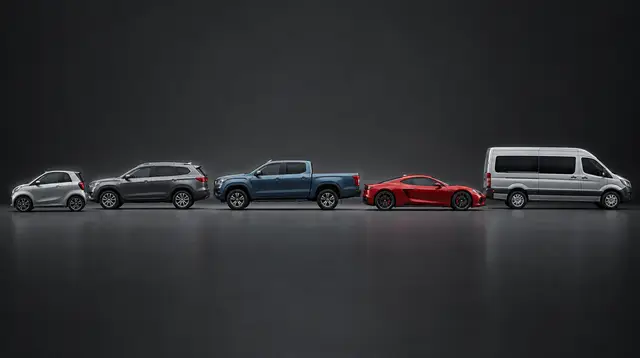
Car types
Vehicle classes and segments from A to F, plus SUVs, MPVs, sports and commercial vehicles.
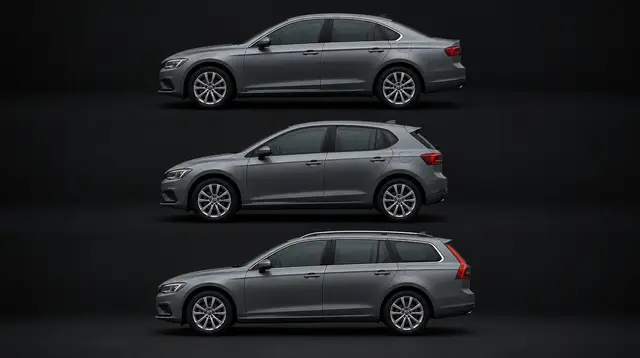
Body types
14 body styles with illustrations, pros, cons and who each one is for.
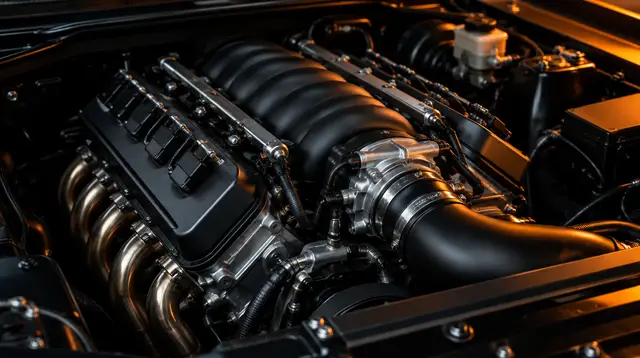
Engines
Petrol, diesel, turbo, hybrid, electric, hydrogen and cylinder layouts.
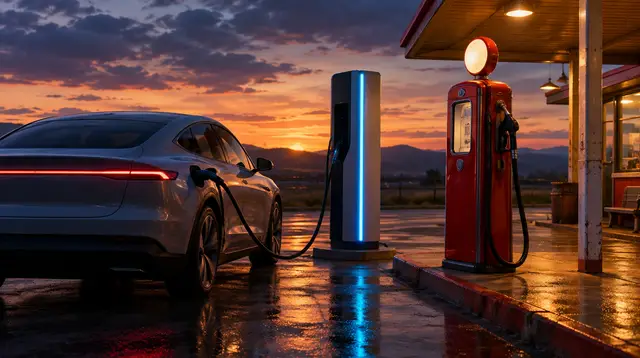
Fuel & energy
What your car drinks, how much it costs and a fuel-economy converter.
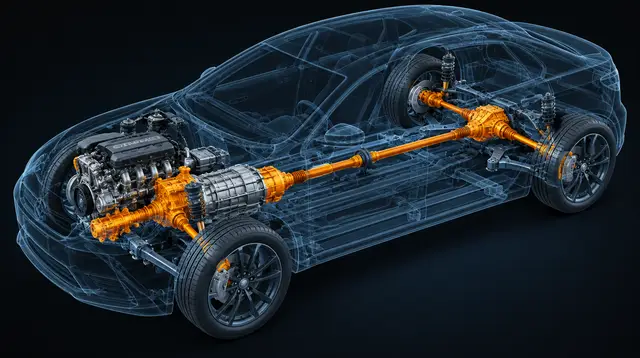
Transmission & drive
Gearboxes and FWD / RWD / AWD / 4x4 explained without the headache.

World racing
Formula 1, WRC, Le Mans, NASCAR, IndyCar, Dakar, Formula E and more.

Brands of the world
Car makers by country, who owns whom and what each brand is known for.

How to choose
A step-by-step buying guide, used-car checklist and interactive quiz.

Maintenance
Oil, tyres, brakes and service intervals — the basics every owner should know.

Glossary
From ABS to VVT: 80+ car terms explained in one sentence each.
Powertrains at a glance
The single biggest decision when choosing a car today is what powers it. Here is the short version — the engines guide has the details.
| Powertrain | Refuel / recharge | Typical range | Running cost | Best for |
|---|---|---|---|---|
| Petrol (gasoline) | ~5 min | 500–800 km | Medium | Most drivers, low purchase price |
| Diesel | ~5 min | 700–1,200 km | Low–medium | Long motorway trips, towing |
| Full hybrid (HEV) | ~5 min | 700–1,000 km | Low | City and mixed driving, no plug needed |
| Plug-in hybrid (PHEV) | Fuel 5 min / charge 2–5 h | 40–100 km electric + fuel | Very low if charged daily | Short commutes with a home charger |
| Electric (EV) | 20–40 min fast / 6–10 h home | 250–600 km | Lowest (home charging) | Daily driving with home or work charging |
| Hydrogen (FCEV) | ~5 min | 500–650 km | High | Rare — only where stations exist |
Beginner questions, quick answers
What is the difference between a crossover and an SUV?
A crossover is built like a normal car (a single “unibody” shell) with a raised ride height, so it drives comfortably and uses less fuel. A traditional SUV sits on a separate ladder frame like a truck, which makes it tougher off-road and better at towing. Today most vehicles sold as “SUVs” are actually crossovers. More in Body types.
Should my first car be electric?
An EV is a great first car if you can charge at home or at work — it is cheap to run, quiet and simple to drive. If you live in a flat without a charger and drive long distances, a full hybrid is usually the easier choice. Compare running costs.
Is a manual or automatic gearbox better for beginners?
An automatic is easier to learn and less tiring in traffic, and most new cars are automatic now. A manual is cheaper to buy used and teaches you more about how the car works. Note that in many countries a licence obtained in an automatic does not allow you to drive a manual. See the gearbox guide.
What do horsepower and torque actually mean?
Horsepower (or kW) tells you how much work the engine can do — it defines top speed and acceleration at high revs. Torque is the twisting force — it is what pushes you into the seat when you pull away. Electric motors deliver full torque instantly, which is why EVs feel so quick. Glossary.
New or used: which is smarter?
A new car loses roughly 15–25% of its value in the first year. A well-maintained 2–4-year-old car often gives the best value, while a new car gives a warranty and peace of mind. Our buying guide walks you through both options.
Not sure which car suits you?
Answer 6 quick questions about your budget, driving and lifestyle and we will suggest a body type and powertrain.